Scott provided a summary of the survey results. About 82% of respondents were year-round residents, 5% live in Hull for the summer, and the remaining number, part-time residents.
About 29% said that Hull is very close to meeting their ideal vision for the town, while 27% responded “not close” and 22% had no opinion.
According to the survey results, the top five amenities frequented in Hull are restaurants and cafes, the pharmacy, grocery stores, various local services, and family-friendly attractions.
The presentation will also be made to the master plan steering committee at an upcoming meeting.
A vision for Hull’s future
Respondents’ vision for Hull’s future related to the following themes: environmental resilience; coastal, small-town character; vibrant, year-round community; municipal fiscal sustainability; and accountable, transparent governance.
Some respondents called for limiting development, deciding on use of the Hull Redevelopment Authority property, reforming town government, prioritizing affordable housing, attracting more families to town, and investing more in infrastructure.
MAPC co-project manager Jiwon Park provided an overview of open house feedback, including a summary by attendees of what they felt Hull’s “missing pieces” are. These encompassed community gathering spaces – including “bringing back mini-golf” – economic development, effective town government, a network of open spaces, opportunities for young families to plant roots in Hull, modern utilities and infrastructure, and “a master plan.”
Other priorities (top values) named during the visioning session included a sense of community, preservation and open space, overall safety – including environmental – “term limits for good ole boys,” transparency, affordability, responsibility to the environment, sustainability as it relates to climate change, and being friendly and welcoming.
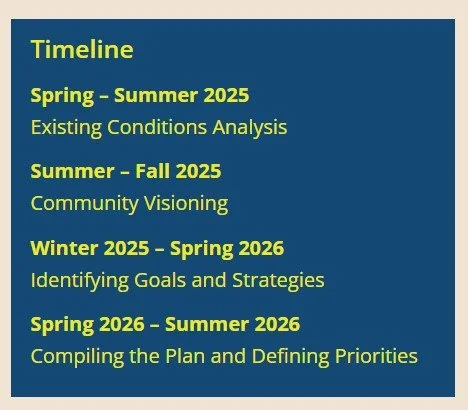
The master plan framework involves developing a vision, followed by setting goals, coming up with strategies and actions, and at the end of the process, forming an implementation committee.
Cost overruns addressed
Planning board member Abby Klieman asked about what she heard were cost overruns related to the project.
Project advisor Josh Fiala explained that they are not uncommon with projects like this one and that typically they catch up with themselves and “come into alignment.” The gap relates to additional meetings requested by the town, among other factors.
“We have some additional funding sources at our disposal, so we’re using some of those to cover the gap we are currently experiencing and so are not asking the town to do so,” he said.
At the board’s request, the project team is developing a comprehensive list of names of members of the community who have been interviewed.
When asked by planning board member Nathan Peyton “what has surprised you so far in the process,” Scott said she was struck by “how important the social fabric of Hull is to so many people and their love for the community and their neighbors. Their desire to enhance that and strengthen it surprised me in a lovely way.”
Peyton also suggested the board keep the individuals on the project’s email list informed about master plan updates while a short pause is being taken to determine the scope of phase two in order to keep the momentum going.
Grants are being sought for assistance with the creation of the master plan.
Next steps
The next steps include preparing a phase one report that will be shared with the planning board ahead of its January 28 meeting. Completed phase one deliverables include creation of a community engagement plan and developing a project website.
Potential planning board next steps include using the survey results and open house feedback as well as MAPC’s recommendations to identify key themes that consistently emerged from the community; drafting a working vision statement; developing draft goals to implement the vision statement; and sharing the working vision statement and draft goals with the community and soliciting their input.
The board will also decide how it wants to involve the master plan steering committee in these conversations.
The steering committee is not scheduled to meet in December.